
Keeping up with our fast-moving world
Posted: 05-Dec-2025 |
A highlight for me last week was participating in the Institute of Road Transport Engineers of New Zealand (IRTENZ) conference.
I presented some of my learnings from the HVTT18 conference and had the privilege of chairing some sessions and panels.
The event was not only another reminder to reflect on the quantum of change happening around us, but also the incredible pace of change. It doesn’t feel long ago that in-cab cameras for monitoring drivers and fatigue risk were considered new technology. Now, these systems are becoming standard features provided by OEMs. And as if we already didn’t have enough power train options, I learnt that ammonia is on the horizon.
Depending on how the transport decarbonisation journey unfolds, there’s an opportunity for significant co-benefits such as improved energy supply resilience. As more and more of the fleet electrify or use hydrogen, we become less reliant on petrol and diesel which is sourced offshore.
It was also great to see how far ahead New Zealand is in some areas. We’re fortunate to have some phenomenally committed industry leaders who have invested in alternative energy, such as charging infrastructure for battery electric vehicles, and hydrogen refuelling sites.
NZTA’s presentation on findings from the new CVSC sites that use high speed weigh-in-motion and ANPR was also interesting. With new sites coming on stream, the level of non-compliance is relatively low with about 98.5 per cent of vehicles passing. NZTA aims to grow this figure to 99.5 per cent.
Roadside drug testing
Another highlight was teaming up with the Bus & Coach Association of New Zealand to co-host a webinar on roadside drug testing which included excellent presentations from Inspector Scott Richardson (NZ Police), Glenn Dobson (The Drug Detection Agency (TDDA)) and Michael O’Flaherty (Gibson Sheat Lawyers).
The record number of registrations shows a keen interest from our industry in this area. Given some of the statistics and predictions shared, and the potential risk of disruption, that high interest is well justified.
Transporting New Zealand is a keen supporter of roadside drug testing. Thirty percent of all road deaths involve drug impairment.
It was good to hear from Police, that unlike in Australia, where the testing is simply for any presence of drugs, our testing incorporates minimum thresholds being exceeded. This approach helps to distinguish drivers assessed as having one or more of the four illicit drugs present from those using prescribed medication at the directed level.
Police envisage that about 12 per cent of drivers tested will fail the oral fluid test, and that seems quite reasonable given Australia’s experience of 1 in 6 drivers failing. Alongside the 12-hour driving standdown until the lab test confirms the result, penalties include an infringement fee and demerit points.
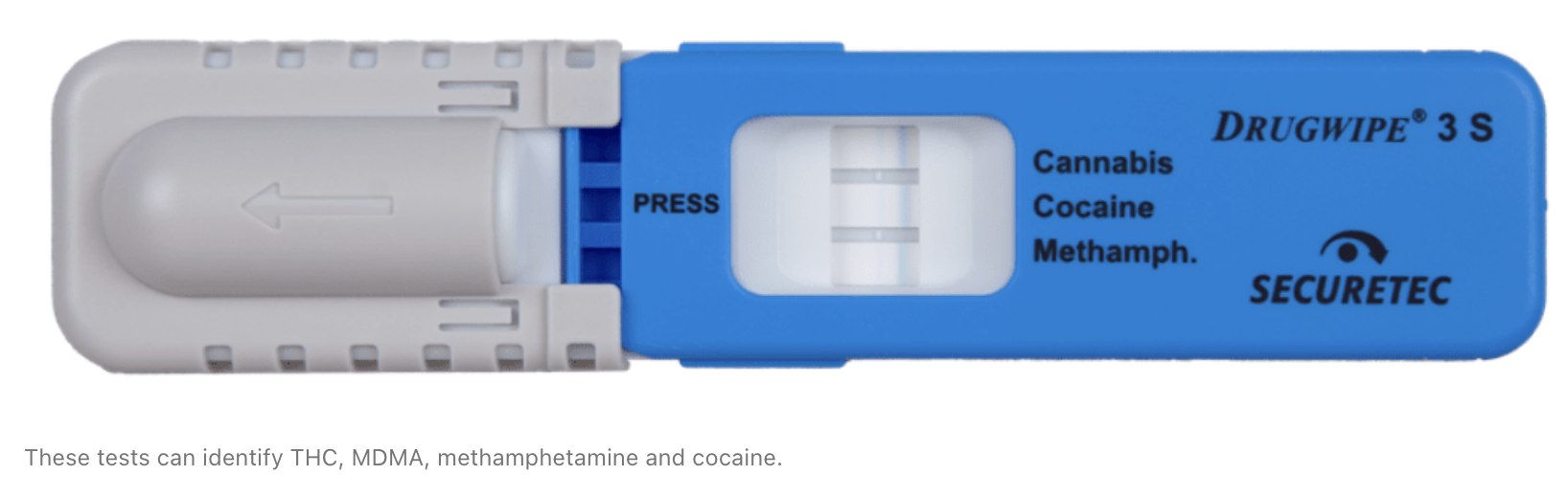
Glenn Dobson from TDDA shared that their testing provides “non-negative” results for a little under four per cent of tests, similar to Australia’s figures. Of course, most of these tests are for organisations that are more proactive in managing drug risk and their staff will be expecting to be tested. Therefore, one would think they are less likely to provide a non-negative test than someone from the general populace.
Given those figures, I think we can expect truck driver “non-negative” results to occur in somewhere between four and 12 per cent of trucks stopped, leading to a 12-hour driving prohibition.
That’s much higher than the 1.5 per cent non-compliance rate being seen over the CVSC weigh-in-motion systems.
Lawyer Michael O’Flaherty rounded out the session with some excellent advice on what employers should consider and do to manage the risks and impacts of random drug testing upfront and post-event.
Operators will need to assess their own risk levels and potential impacts. These statistics provide useful insights into what we can expect. The contrast between non-compliance rates and associated safety risks will undoubtedly spark important policy discussions in the coming year.
Dom Kalasih, Chief Executive of Transporting New Zealand
Search Articles
Search Trucks Database
NZ Truck & Driver Magazine
Read Now


 + EQUIPMENT GUIDE - FREE