Back to the Future (of roads): Making smarter choices
Posted: 20-Feb-2026 |
This week Minister Chris Bishop, whose portfolios include Infrastructure, welcomed the release of the National Infrastructure Plan and tabled it in Parliament.
We’ll need to spend some time developing and sharing a meaningful view, but at this stage I think the Plan will encourage more conversation that roads are just one kind of government-funded infrastructure key to New Zealanders’ quality of life and economic prosperity. Our thinking on infrastructure needs to become more mature, more rational, more integrated and more evidence-based, so watch this space. That said, this week’s blog is mainly on roading.
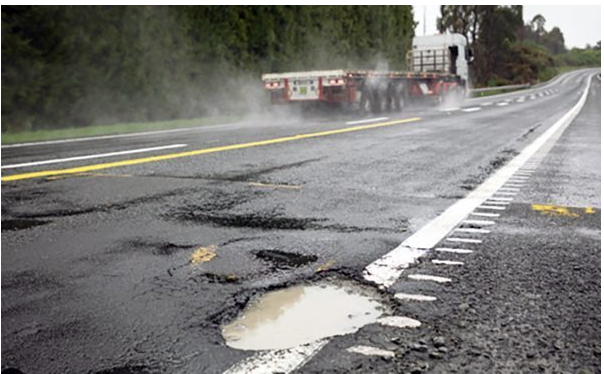
41,688 potholes
Last week Minister Bishop, this time with his Transport hat on, announced that around 98 per cent of potholes on state highways are now being fixed within 24 hours.
The Minister went on to say:
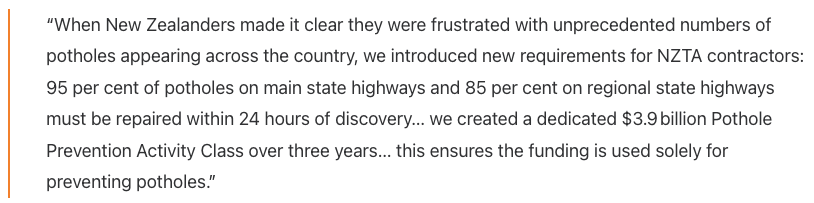
Looking further into this data, for calendar year 2025 I see NZTA’s contractors fixed 41,688 potholes. We have about 11,000 kilometres of state highway; therefore, that equates to, on average, one pothole every 260 metres of highway. Or for truck drivers cruising along at 90 km/h, on average every 10 seconds they might see a pothole. To me, that seems a lot and it vindicates the frustration and complaints about potholes.
However, there’s also a more serious potential issue here.
My understanding is that potholes can lead to tyre blowouts which in turn can lead to a crash, so clearly having so many of them littering the highway increases that risk exposure.
What also struck me in the Minister’s announcement was the amount of funding that needed to be created and dedicated solely to preventing potholes. To put some context around that opportunity cost, the original contract price for Transmission Gully was $850 million. In the end, the total cost – expressed in a traditional construction‑cost equivalent – was $1.25 billion. In other words, the money that had to be found to prevent potholes is the equivalent of completing three roading projects like Transmission Gully, with change!
Apart from the opportunity cost, what strikes me even more is that this funding needed to be introduced as an extra. I would’ve thought that building a road so it doesn’t pothole would be part of the normal expectation and standard contract. To me it’s like buying a truck then having to pay extra if you don’t want the windscreen to fall out in the first two years!
Transmission Gully speed limit raised to 110 km/h
We welcomed the increased limit even though it doesn’t affect trucks, given their 90 km/h speed limit, because it does make it easier for cars to pass trucks. Although, there was some irony in the change happening at a time when, due to construction issues, much of the road has a 50 km/h limit.
In my view the process of raising the limit was crazy and a waste of time and effort. The geometric characteristics of the road, such as the radius of the curves, are such that cars don’t need to slow down for the corners, and you can see far enough ahead so you won’t be surprised by hidden queues. These design aspects meet internationally accepted engineering levels that give confidence it is safe to travel at that speed. Therefore, we shouldn’t have needed to waste time and money trialling the road and undertaking public consultation on whether 110 km/h was appropriate.
Going back to my earlier truck analogy, if I bought a 730 HP tractor unit because I wanted to operate a 58-tonne combination, why on earth would I spend four years limiting it to 46 tonnes and consulting my drivers on whether we should operate at 58 tonnes?
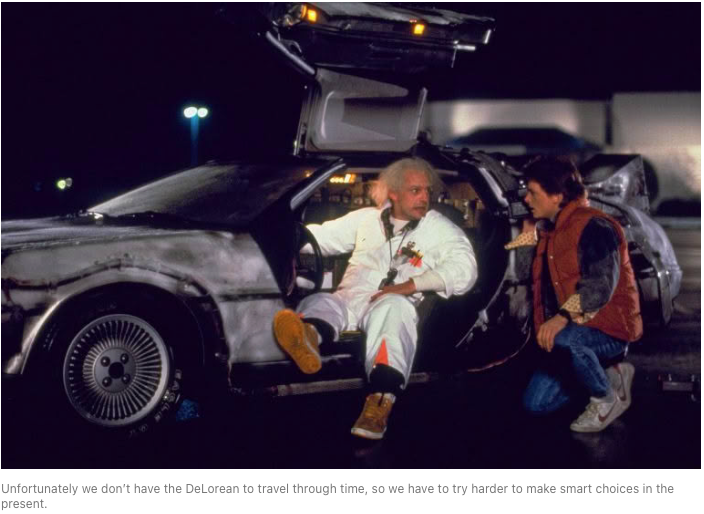
Back to the future
In my mind we are spending too much time doing stuff we don’t need to in the roading space. Another example is NZTA reducing speed limits without due consideration of whether the benefit-costs stack up.
As appreciation grows that there isn’t enough money to build all the infrastructure we desire, it will become more and more important to be smarter and more disciplined in our roading spend. In my view it’s vital that NZTA gets back to considering the cost-benefit of what it does and becomes much smarter at considering risk as opposed to compliance, as those practices will be very useful in helping prioritise what to do and where to spend.
Dom Kalasih, Chief Executive of Transporting New Zealand
Search Articles
Search Trucks Database
NZ Truck & Driver Magazine
Read Now


 + EQUIPMENT GUIDE - FREE